
Other industries
Accounting for businesses that run on unit economics
Real estate is 70% of what we do. The other 30% is operators who need the same discipline. Recycling operations, ecommerce brands, and service businesses where profit lives per route, per channel, per job. Not “all industries.” Operators who need unit-level truth.
Same published tiers. Same close deadlines. Same reconciliation standard.
Margin by profit center
ecommerce client| Shopify. House brand | 31.4% |
|---|---|
| Amazon FBA | 18.2% |
| Wholesale accounts | 24.9% |
| Marketplace (clearance) | −3.1% ⚠ |
| The point | you see the −3.1% |
Who this covers
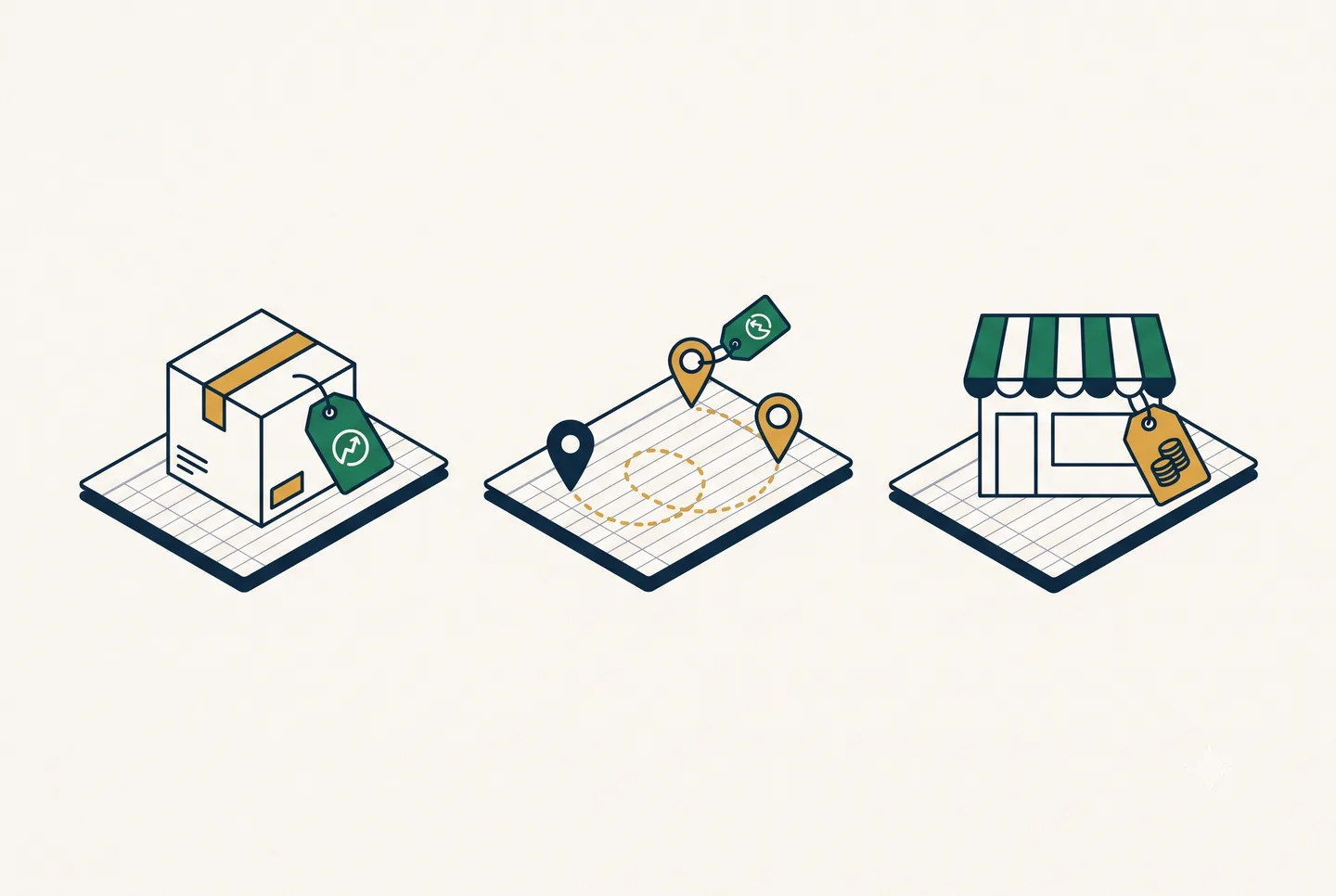
Three kinds of operators, one discipline
Recycling & processing operations
Commodity and route-level margin instead of one blended number. Daily cash controls that tie scale-house cash to the books. Equipment and rolling stock tracked properly. We’ve run recycling books for years. It’s where our operations background comes from.
- Margin per commodity / route / yard
- Cash reconciliation routines that survive an audit
- Equipment schedules your lender can read
Ecommerce brands
Platform payouts reconciled so Shopify and Amazon settlements stop being mystery deposits. Channel-level P&L that shows where margin actually comes from. After fees, refunds, shipping, and ad spend land where they belong.
- Settlement reconciliation: fees, refunds, reserves broken out
- Margin by channel and SKU family
- Inventory and COGS the way your CPA needs them
Service businesses
Profit per job, client, or engagement. With labor, the biggest cost, landed on the work it served through job-costed payroll. Know which clients are worth keeping and which jobs to stop bidding.
- Job/engagement-level P&L
- Payroll job-costed through Gusto
- AP run for you through Bill.com. You approve
Construction and trades? That’s its own page (contractors & trades) because job costing there is its own conversation.
Sound familiar?
- The company made money last year, but nobody can say which routes, channels, or clients did
- Platform deposits hit the bank as one net number. Fees and refunds invisible
- Cash from the counter or scale house and the books only roughly agree
- Payroll is your biggest expense and lands nowhere in particular
- Your accountant learns your industry on your invoice
How we run operator books
- Every transaction classed to a route, channel, job, or profit center. No exceptions
- Every account reconciled monthly, on a published deadline
- Unit-level P&L: profit where decisions actually get made
- AP through Bill.com, payroll through Gusto at Back Office and above
- Lender- and buyer-ready financials: the same 48-hour standard our investors get
Other-industry questions, answered
You’re a real estate firm. Why would I trust you with my ecommerce or recycling books?
The specialty is the same discipline in a different costume: every dollar assigned to the unit that earned or spent it. A property, a job, a route, a channel, a SKU family. About 30% of our client base is outside real estate, and they get the same published tiers, the same close deadlines, and the same reconciliation standard.
What does “unit economics” mean for my business?
The level where profit is actually decided: per route or commodity for a recycling operation, per channel or SKU family for ecommerce, per job or engagement for a service business. A company-wide P&L hides the losers; unit-level books expose them while you can still act.
Can you handle Shopify / Amazon payouts?
Yes. Platform settlements are reconciled so fees, refunds, and reserves are broken out instead of netting into one mystery deposit. Sales tax filings stay with your CPA or a filing service; we keep the books that make those filings painless.
Do you work with cash-heavy operations?
Yes. Recycling and similar operations get daily cash reconciliation routines and controls that keep scale-house or counter cash tied to the books, which matters enormously the day a lender or buyer looks at your numbers.
What does it cost?
The same published tiers as everyone: most established operators fit Clean Books ($1,247/mo) or Back Office ($2,997/mo with AP and payroll). No custom-quote theater. Scope limits are on the pricing page.
Run on unit economics?
The 30-minute diagnostic works the same for every operator: which tier, what cleanup, what cost. Answered on the call.
Book a 30-minute diagnostic